What to Do If Your Clothes Shrink in the Wash
You pull your favourite jumper out of the machine and it looks like it was made for a toddler. Or the jeans that fit perfectly on Friday now stop halfway down your calves. It is a genuinely annoying moment, and it usually happens to the clothes you actually like.
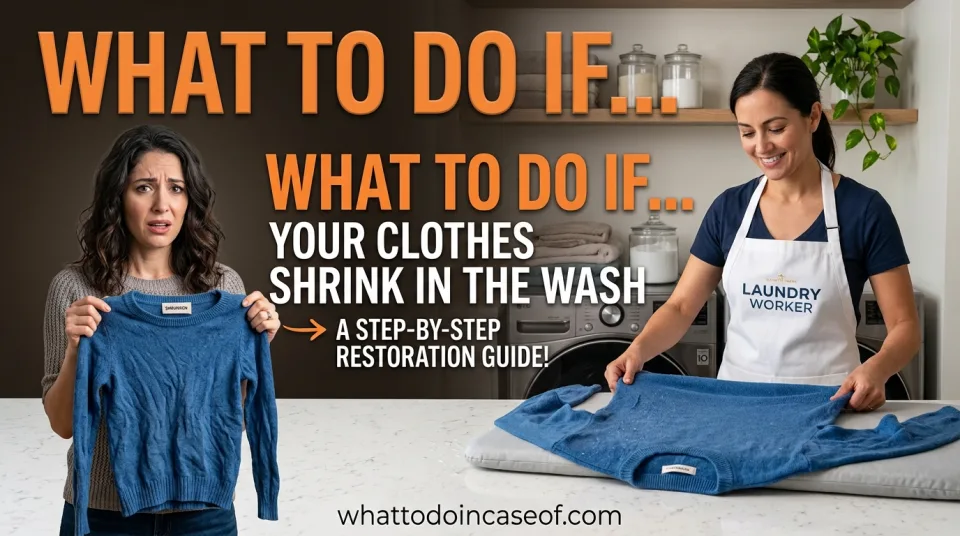
You pull your favourite jumper out of the machine and it looks like it was made for a toddler. Or the jeans that fit perfectly on Friday now stop halfway down your calves. It is a genuinely annoying moment, and it usually happens to the clothes you actually like.
The good news is that shrinking is not always permanent, and even when it is, you have options. This guide covers why clothes shrink in the wash, how to reverse it when you can, and how to stop it happening again.
First, take a breath and check the label
Before you panic, read the care tag. It tells you what the fabric is made of and what the manufacturer intended. That single piece of information decides almost everything that follows. Cotton, wool, and synthetics all shrink for different reasons, and they respond to different fixes.
Why do clothes shrink in the wash?
Most shrinkage comes down to two things: heat and agitation.
Natural fibres like cotton and wool react to heat and mechanical movement. Cotton fibres swell and contract when exposed to hot water, and the tumbling action of a dryer pulls them tighter. Wool is worse: the fibres have tiny scales that lock together under heat and agitation, which is why a wool jumper can come out dense and felted rather than just smaller.
Synthetic fibres like polyester are more stable, but they can still shrink if the water is hot enough to soften the fibres and then cool while stretched.
There is also a third factor people forget: the fabric was probably already under tension when it was made. Manufacturers stretch cloth during production, and the first hot wash releases that tension. That is why a brand-new t-shirt sometimes shrinks on the very first wash and then stays put.
Can shrunken clothes actually be un-shrunk?
Sometimes yes, sometimes no. It depends on the fibre.
- Cotton: Often recoverable to some degree. The fibres can be relaxed and re-stretched.
- Wool: Risky. If it has felted, the fibres are permanently tangled and you cannot undo it.
- Synthetics and blends: Usually modest recovery at best.
- Rayon and viscose: Very unpredictable. Handle with care.
If your wool jumper has turned into a dense, fuzzy mat, that is felt, not shrinkage, and no home trick will bring it back. Everything else is worth a try.
Your options, honestly compared
1. The soak-and-stretch method
This is the classic home fix and it works best on cotton.
Soak the garment in lukewarm water with a little hair conditioner or baby shampoo for about 15 to 30 minutes. The conditioner relaxes the fibres. Then gently squeeze out the water (never wring), lay it flat on a towel, and carefully stretch it back toward its original size. Pin the edges if you can, and let it air dry.
Pros: Cheap, uses things you already own, genuinely effective on cotton. Cons: Does not work on felted wool, and the result can fade after a few washes. Cost: Essentially nothing.
2. The iron-and-stretch method
While the garment is still damp, use a warm iron and gently stretch the fabric as you go. Steam helps. This is good for small areas like sleeves or a collar that has tightened up.
Pros: Precise, good for targeted fixes. Cons: Slow, and easy to scorch if you are impatient. Cost: Free if you own an iron.
3. Wear it damp
A simple trick: put the garment on while it is still slightly damp and let it dry to your shape. It works surprisingly well for t-shirts and knitwear.
Pros: No equipment, no cost. Cons: Uncomfortable, and not great for anything structured.
4. Take it to a professional
A good dry cleaner or tailor can sometimes block knitwear back into shape, and a tailor can let out seams or add panels if the garment is valuable. This is where the trusted local provider directory is useful, especially for a suit, a coat, or something sentimental.
Pros: Best results on expensive or structured items. Cons: Costs money, and not every garment can be saved. Cost: Varies widely by item and location, so ask for a quote first.
5. Accept it and repurpose
If the item is genuinely gone, a shrunken jumper can become a cushion cover, a child's jumper, or cleaning rags. A shrunken wool sweater can be felted on purpose and cut into coasters or mittens. Not glamorous, but practical.
Which fix should you actually use?
It depends on what you are holding.
- A cotton t-shirt or jeans: Try the soak-and-stretch first. It is free and often works.
- A wool jumper that feels stiff and matted: Accept that it is felted. Repurpose it.
- An expensive suit or coat: Do not experiment. Take it to a professional.
- A synthetic blend: Try the damp-wear method, but keep expectations low.
The honest truth is that prevention beats every cure on this list. Getting the wash right the first time saves you all of this hassle.
A step-by-step action plan
- Check the care label. Note the fibre and the recommended temperature.
- Decide if it is worth saving. Sentimental or expensive items go to a professional. Cheap basics go in the soak.
- Fill a basin with lukewarm water and add a capful of hair conditioner or baby shampoo.
- Submerge the garment and let it soak for 15 to 30 minutes.
- Squeeze gently. Never wring or twist, as this damages fibres.
- Lay it flat on a towel and gently stretch it back to shape.
- Air dry flat, away from direct heat and sunlight.
- From now on, wash it cold and skip the dryer entirely.
If you want to build better habits around the home generally, the practical guides cover a lot of the everyday stuff that saves you money and stress.
How to stop it happening again
- Wash cold. Cold water is the single biggest defence against shrinkage.
- Skip the dryer. Air dry whenever you can. If you must use it, use the lowest heat setting.
- Use a mesh laundry bag for delicates and knits.
- Do not overload the machine. Less friction means less fibre damage.
- Read the label before the first wash, not after.
For families dealing with constant laundry mountains, the kids and family safety section has tips that overlap nicely with general household routines.
Common mistakes to avoid
- Using hot water "to get it really clean." Fix: cold water cleans fine for most everyday laundry.
- Tumble drying on high. Fix: air dry or use the lowest heat.
- Wringing out wet wool. Fix: press the water out gently between towels.
- Stretching dry fabric. Fix: always stretch while damp.
- Assuming all shrinkage is reversible. Fix: check the fibre first, and be realistic.
- Ignoring the care label. Fix: read it once and save yourself the trouble.
- Trying to fix a felted wool garment. Fix: repurpose it instead.
Expert takeaway
The single most important lesson is this: cold water and air drying prevent nearly every shrinkage problem you will ever face. Treat the wash cycle as the decision point, not the aftermath.
FAQ
Can shrunken clothes really go back to their original size?
Sometimes, especially cotton. The soak-and-stretch method can recover a good portion of the original size, but it is rarely a perfect return and can fade with further washing.
Does hair conditioner actually work on shrunken clothes?
It helps relax natural fibres like cotton and wool, which makes stretching easier. It is not a miracle cure, and it will not undo felted wool.
Will my shrunken wool jumper ever be the same again?
If it has felted, no. Once wool fibres lock together, they stay locked. If it has only tightened slightly, gentle blocking might help.
What temperature should I wash clothes to avoid shrinking?
Cold water is safest for almost everything. Check the care label, and when in doubt, go colder than you think you need.
Is it worth taking a shrunken item to a tailor?
For anything expensive, structured, or sentimental, yes. For a cheap t-shirt, probably not. Get a quote before committing.
This article is general information about fabric care, not professional advice about specific garments or materials. When in doubt about a valuable item, consult a qualified tailor or dry cleaner.
Written by
Emma Richardson
Writer and researcher focused on simplifying financial topics and everyday decisions through clear, practical, and easy-to-follow guidance.
Spotted an error? Report it — we correct mistakes promptly.
Keep reading
Related articles

What to Do If Someone Stops Replying to Your Messages
Your message shows two grey ticks. Then nothing. An hour passes, then a day, then a week. You reread what you sent, wondering if you said something wrong, and you check your phone far more often than you'd admit.

What to Do If You Spend Too Much Time on Your Phone
You reach for your phone to check one thing. Forty minutes later you're watching a video about how to stop watching so many videos. If that sounds familiar, you're in good company, and you're not broken.

How Much Money Do You Need to Live Comfortably?
There’s no single magic number, but you can absolutely figure out your number in about an hour with a pen, a spreadsheet, and some honest thinking. By the end of this guide, you’ll have a clear monthly target, a plan to hit it, and a better sense of what “comfortable” actually means to you.
Related guides
Neighbor plays loud music at night: what to do?
Neighbor plays loud music at night: the right reflexes in a few simple steps.
Broken window at night: securing your home
Broken window at night: the right reflexes in a few simple steps.
Lost tax documents: what to do?
Lost tax documents: the right reflexes in a few simple steps.