What to Do If Your Pasta Turns Out Too Soft
You drained the pot, tasted a strand, and felt your stomach drop. Instead of that springy bite you were aiming for, you got something closer to a warm noodle pillow. Maybe you walked away for "just a second." Maybe the timer never went off. Either way, dinner is on the line and you need a fix, not…
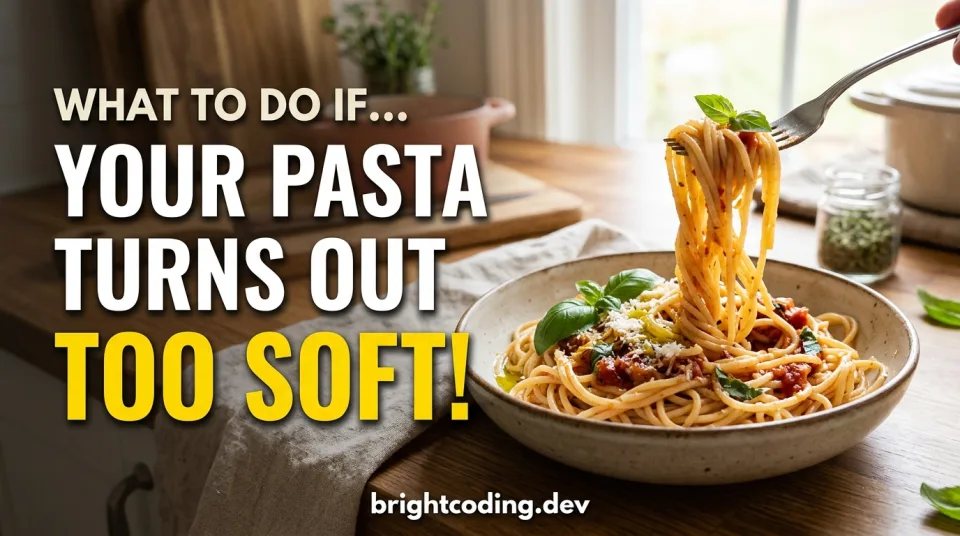
You drained the pot, tasted a strand, and felt your stomach drop. Instead of that springy bite you were aiming for, you got something closer to a warm noodle pillow. Maybe you walked away for "just a second." Maybe the timer never went off. Either way, dinner is on the line and you need a fix, not a lecture.
Good news: overcooked pasta is rarely a total loss. Depending on how far gone it is and what you were planning to make, you have several real options, some of which produce a dish your family will never suspect.
What Counts as "Too Soft," Anyway?
There's a difference between slightly past al dente and pasta that's basically dissolving. The fix depends entirely on which one you're dealing with.
Pasta that's a little past perfect still holds its shape and has some chew left. It's salvageable in almost any dish. Pasta that collapses when you pick it up with tongs, or leaves a cloudy, starchy film on everything it touches, needs a different strategy. Before you do anything, drain it and taste a piece. That one bite tells you which path you're on.
Why Does Pasta Go Soft So Fast?
Pasta absorbs water and softens continuously while it cooks. There's no pause button. The window between al dente and mushy is often just one to three minutes, which is exactly why so many people overshoot it.
A few things make it worse. Thin pasta like angel hair or spaghettini goes from perfect to pasty in under a minute. If you're using a pot that's too small, the water cools when you add the pasta, and you end up guessing at timing instead of trusting it. And if you're distracted by sauce, kids, or your phone, the clock becomes a suggestion rather than a rule.
Starting the pasta in cold water makes the timing even harder to predict, though it can work if you stay right there watching it. The single biggest cause, though, is simple: nobody tastes it early enough.
Your Options for Saving Overcooked Pasta
Option 1: Serve It As-Is in a Sauce That Embraces Softness
Some dishes actually want soft pasta. Baked pasta casseroles, mac and cheese, pasta bakes, and creamy one-pot dishes all work better with pasta that's a touch past al dente. The sauce and cheese hide the texture, and the softening doesn't matter once it's baked.
How it works: Toss the pasta with a thick sauce, add cheese or breadcrumbs on top, and bake it. The oven firms up the structure just enough.
Best for: Any baked pasta dish, or anything with a heavy, clingy sauce.
Downside: It won't work for a light dish like aglio e olio or cacio e pepe, where the texture is the whole point.
Cost: Nothing extra if you already have cheese and a baking dish.
Option 2: Chill It and Turn It Into a Cold Pasta Salad
Cold pasta hides overcooking better than hot pasta does. Once it's chilled, the texture firms up slightly, and a bold dressing distracts from the softness.
How it works: Rinse the pasta under cold water (the only time rinsing is genuinely useful), drain well, and toss with oil, vinegar, vegetables, herbs, or whatever you have. Let it sit in the fridge for at least 30 minutes.
Best for: Lunch the next day, picnics, or a quick side dish.
Downside: If the pasta is truly mushy, chilling only helps a little. It'll still feel limp.
Consideration: Cold pasta salad keeps for a few days in the fridge, so this is also a make-ahead win.
Option 3: Fry It in a Pan
Pan-frying soft pasta in a little oil or butter gives it crispy edges and a chewy interior. This is the closest thing to a texture rescue you can get.
How it works: Heat a wide pan with a tablespoon or two of oil, spread the drained pasta in a single layer, and let it sit without stirring for a few minutes. Flip in sections and keep going until you get browned spots. Add garlic, chili flakes, or leftover vegetables near the end.
Best for: Pasta that's soft but not falling apart, especially spaghetti, linguine, or fusilli.
Downside: It takes attention and a few extra minutes. Very thin or very mushy pasta will just clump.
Cost: A splash of oil and whatever aromatics you have on hand.
Option 4: Fold It Into a Frittata or Omelette
This is the classic Italian move for leftover pasta, and it works surprisingly well with soft strands. Eggs bind everything and give the dish a firm, sliceable structure.
How it works: Beat a few eggs, season them, mix in the pasta and any leftover vegetables or cheese, and cook it low and slow in an oiled pan until set. Finish it under a broiler if you have one.
Best for: Any amount of soft pasta, especially with a bit of sauce already on it.
Downside: It becomes an egg dish, not a pasta dish. If you wanted pasta, this isn't it.
Cost: Whatever eggs cost where you live, plus a few minutes of cooking.
Option 5: Start Over (Honestly, Sometimes the Right Call)
If the pasta has turned to paste, no trick will bring back the bite. Sticky, gluey, disintegrating pasta is done. Boiling a new batch takes ten minutes, and you already have the water boiling knowledge in your head.
Best for: Truly ruined pasta, or when the dish depends on texture.
Downside: You lose the time you already spent, and you use more pasta.
Consideration: If you're cooking for guests, this is usually the least stressful option. Nobody remembers the extra ten minutes. They remember gluey noodles.
Which Option Fits Your Situation?
If you have a thick sauce and an oven, bake it. If you have eggs, make a frittata. If you have a hot pan and five minutes, fry it. If it's lunch tomorrow, chill it into a salad.
The one case where I'd skip the rescue entirely is a delicate dish like cacio e pepe, carbonara, or a simple olive oil and garlic pasta. Those dishes live or die on texture, and soft pasta will taste flat no matter what you do. Start fresh.
For the bigger picture on handling kitchen mishaps calmly, our practical guides cover the same approach: assess fast, pick the option that fits, move on.
Step-by-Step: What to Do Right Now
- Drain the pasta immediately. Every extra second in hot water makes it softer. If it's still in the pot, get it out.
- Taste one piece. Decide: slightly soft, noticeably soft, or falling apart.
- Check your sauce. A thick, clingy sauce covers more sins than a thin one.
- Pick your path. Baking for thick sauces, frying for dry pasta, eggs for leftovers, chilling for tomorrow.
- Add texture somewhere else. Toasted breadcrumbs, nuts, crispy pancetta, or fried garlic give your mouth something to chew even if the pasta won't.
- Season boldly. Soft pasta absorbs sauce and salt, so taste and adjust before serving.
- If it's truly ruined, boil a new batch. Ten minutes beats a disappointing dinner.
If you're cooking with kids and want to avoid the distraction that caused the problem in the first place, the kids and family safety section has tips for keeping the kitchen manageable when little hands are involved.
Common Mistakes to Avoid
Rinsing hot pasta under cold water to "firm it up." This stops the cooking but also washes away the starch that helps sauce cling. Only rinse if you're making cold pasta salad.
Adding oil to the water to prevent sticking. It does nothing useful and makes the pasta slippery so sauce slides off. Stir the pasta in the first minute instead.
Walking away from the pot. The window between perfect and mushy is short. Stay close, or set a timer you can hear from another room.
Trying to "uncook" pasta by shocking it in ice water. It stops the cooking, but it can't reverse softening that's already happened.
Serving soft pasta with a thin sauce. It'll taste like wet noodles. Use a thick sauce, or fry the pasta for texture.
Tasting only at the end. Taste a strand two minutes before the package time says it's done. Every time.
Assuming package times are exact. They're a starting point, not a guarantee. Your stove, pot, and altitude all change the timing.
The Takeaway
Overcooked pasta isn't a disaster, it's a fork in the road. The right move depends on how soft it got and what you're making. Fry it, bake it, chill it, or turn it into eggs. And if it's beyond saving, boiling a new pot costs you ten minutes and almost no money. The real skill isn't rescuing soft pasta. It's tasting early so you rarely have to.
For more everyday problem-solving like this, the practical-knowledge blog has guides on everything from kitchen fixes to household repairs. And if you ever need to look up who to call in an actual emergency, the emergency numbers by country page is worth bookmarking now, before you need it.
FAQ
Can you fix overcooked pasta by putting it in cold water?
Cold water stops the cooking, but it can't undo softening that's already happened. It's useful for cooling pasta you plan to use in a salad, not for restoring texture.
Does rinsing pasta make it less mushy?
No. Rinsing removes surface starch and cools the pasta, but the interior is already soft. It won't firm up the strands.
What can I make with really soft pasta?
Baked pasta dishes, frittatas, pasta salads, and pan-fried pasta all work. If it's completely disintegrating, start a new batch.
How do I stop pasta from overcooking next time?
Taste a strand about two minutes before the package time, stay near the pot, and use a timer you can hear. Thin pasta needs even closer watching than thick shapes.
Is overcooked pasta safe to eat?
Yes, it's safe. It's a texture and taste issue, not a food safety one. Just make sure it hasn't been sitting out at room temperature for more than about two hours.
This article is general kitchen information, not professional culinary or food safety advice. For specific food safety questions, consult your local health authority.
Written by
Basma IDBRAHIM
Travel & family enthusiast sharing practical tips, inspiring destinations, and ideas for making every journey and family moment memorable. ✈️👨👩👧👦
View profileSpotted an error? Report it — we correct mistakes promptly.
Keep reading
Related articles
What to Do If Your Cake Falls in the Middle
You pulled the cake out, and there it is: a crater in the center, with the edges rising like a wall around a sunken valley. Maybe you're staring at it ten minutes before guests arrive. Maybe you're just annoyed because you followed the recipe exactly.

What to Do If You Feel Tired After Drinking Coffee
You pour a coffee to wake up. Twenty minutes later you feel sharp, focused, ready. An hour after that, you could nap on the kitchen floor. If that sounds familiar, you are not imagining it and you are not broken. Coffee fatigue is a real, predictable pattern, and once you understand the mechanics,…

What to Do If Your House Suddenly Smells Bad 9 Places to Check First
You walk in the door, drop your keys, and stop. Something is off. The house smells wrong, and it wasn't like this when you left.
Related guides
What to Do If You Keep Ordering Takeout: 8 Ways to Make Home Cooking Easier
If takeout has become your default dinner, the problem is usually friction, not willpower. These eight practical changes make cooking at home faster, cheaper and easier than ordering.
What Should You Do If Your Leftovers Are About to Expire?
Leftovers nearing their expiry date can be safely transformed into new meals, frozen for later, or composted. Learn nine practical ways to use them and how to tell when they are no longer safe to eat.
Tornado warning: what to do?
A tornado warning means a tornado has been sighted or indicated by radar. Act immediately: get to a safe shelter, protect your head, and stay tuned to official alerts.